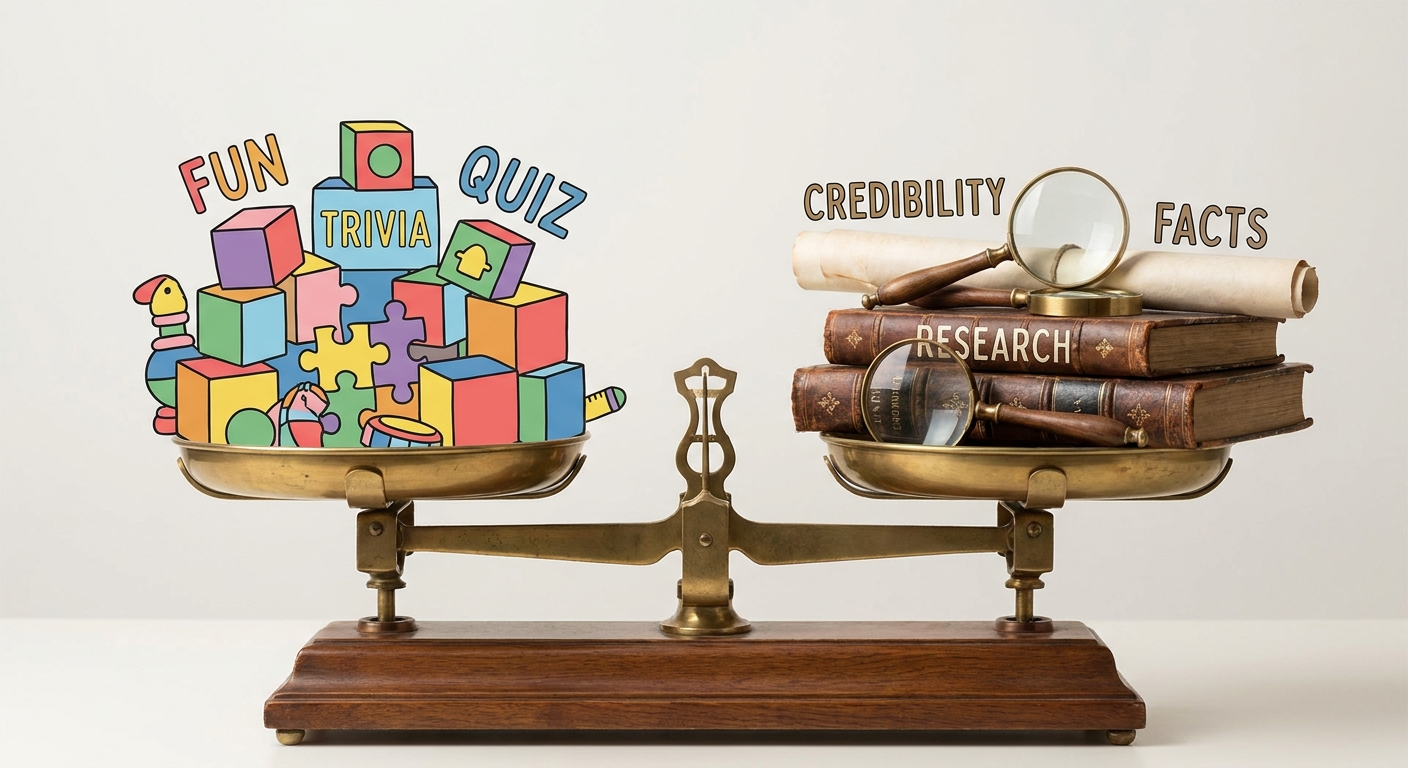
Building a Fun Knowledge Base Without Sacrificing Credibility
The world thrives on fascinating tidbits, the kind of "interesting but useless" information that sparks joy and conversation, much like the spirit of Wakkipedia. From obscure origins to bizarre historical facts, these discoveries captivate us. Yet, in our haste to entertain, a critical challenge emerges: how do we ensure these delightful revelations don't morph into misinformation? Fun should not come at the expense of factual accuracy and trust. This guide outlines essential editorial methods for curating a knowledge base that is both playfully engaging and rigorously credible, covering source selection, appropriate tone, effective article structure, and the ongoing commitment to moderation and updates.
The Bedrock of Belief: Scrupulous Source Selection
The first defense against inaccuracy, especially in a knowledge base dealing with surprising information, is an unwavering commitment to high-quality sourcing. Without credible foundations, even the most captivating fact crumbles.
Prioritizing Primary and Reputable Secondary Sources
To build trust, content must originate from verifiable, authoritative sources. Prioritize primary sources: original research, historical documents, government reports, or direct accounts. For secondary sources, choose established encyclopedias, academic textbooks, reputable news organizations, and scholarly journals. Be wary of unverified blogs, social media, or anonymous forums. A robust editorial process dictates that every claim, no matter how minor, should be cross-referenced with at least two independent, reliable sources.
Fact-Checking as a Continuous Process
Fact-checking isn't a one-time step; it's persistent vigilance. Beyond initial source selection, every piece of information must undergo meticulous verification. This means checking primary data and ensuring interpretations are sound and unbiased. Even seemingly mundane details like dates, names, or statistics warrant thorough inspection. Implementing a multi-reviewer system, where different editors verify facts independently, significantly bolsters accuracy and minimizes errors.
Weaving Wonder: Tone and Article Architecture
Once facts are firmly established, the art of presentation comes into play. A fun knowledge base excels at making information digestible, enjoyable, and memorable, without trivializing its subject matter.
Striking the Right Balance: Engaging Yet Authoritative Tone
The heart of a "fun" knowledge base lies in its ability to captivate without losing authority. Achieve this by employing vivid language, intriguing metaphors, and relatable analogies. Injecting subtle humor, curious anecdotes, or rhetorical questions can make content more inviting. However, this playfulness must never diminish the seriousness of the fact itself. The tone should remain respectful of the information and the reader's intelligence, avoiding condescension or oversimplification that sacrifices nuance. The goal is to inform and entertain simultaneously, fostering wonder, not doubt.
Structuring for Clarity and Engagement
A well-structured article guides the reader seamlessly. Start with a compelling introduction highlighting the "interesting but useless" nature of the topic. Break down information into logical sections using clear headings, making complex ideas approachable. Use concise paragraphs and consider plain text lists for sequential facts. Conclude with a summary or thought-provoking statement that reinforces the fact's unique appeal, cementing the information and encouraging further exploration.
The Lifespan of Lore: Moderation and Continuous Updates
A knowledge base, especially one aiming for both credibility and continuous engagement, is a living entity. It requires ongoing care to remain relevant, accurate, and trustworthy.
The Critical Role of Moderation
If your knowledge base incorporates user contributions, a robust moderation system is non-negotiable. Every submission must be carefully vetted for factual accuracy, adherence to the established tone, and relevance. This proactive gatekeeping prevents erroneous or poorly researched information that could quickly erode credibility. Clearly defined editorial guidelines and a transparent review process help maintain consistent quality.
Keeping Facts Fresh: Regular Review and Updates
Information is rarely static. What was considered a definitive fact yesterday might be challenged or updated by new discoveries today. Therefore, regular review and updating of existing articles is paramount. Schedule periodic audits to verify that all data remains current and correct. This includes checking sources for obsolescence, integrating new scholarly consensus, and correcting any errors. Demonstrating a proactive approach to maintaining accuracy signals to your audience that your knowledge base is a reliable and evolving resource, dedicated to providing dependable delightful discoveries.
By meticulously applying these editorial methods, Wakkipedia — or any similar platform — can master the delicate balance of delivering joy through knowledge. It proves that even the most "useless" facts can be among the most valuable, provided they are rooted in unwavering credibility and presented with playful genius.